Published on 03 August 2026
Share:


NATURAL RESOURCES MARKET UPDATE H2 2026: RENEWABLES
Published on 03 August 2026
In the current market, coverage is being expanded where available as the soft market presents opportunity for new leaders and consolidation of insureds programmes.
This is supported by improving loss records in some settings and balanced as portfolios grow with a natural spread of asset age, technology type and territory.
MARKET OVERVIEW
The renewable energy insurance market in H2 2026 continues to evolve, driven by technological advancements, increased capacity, and competitive dynamics. The trend of premium rate reductions observed in 2025 and H1 2026 is expected to persist, albeit at a more stabilised pace. Loss-free accounts are likely to see reductions in the range of 5% to 25%, reflecting a maturing market with improved risk management practices.
There is anticipated specific scrutiny of NatCat limits for specific regions as data models have recently improved their occupancy and mitigation functions in addition to a potentially greater prevalence of Cat losses for renewables this year.
Early projections reference large hail solar losses in Saudi Arabia and very recently windstorm damage to wind farm(s) in Dakota, both loss estimates between USD 100 million and USD 200 million to each site.
ONSHORE WIND
The deployment of larger wind turbine generators (WTGs), now reaching capacities of 10MW, is reshaping the onshore wind landscape. While these advancements bring efficiency gains, they also introduce new underwriting challenges. Insurers are responding with tailored deductible structures and site-specific premium rates to address the increased risk exposure.
The stabilisation of premium rates for onshore wind is supported by a growing global premium pool, which acts as a buffer against potential loss spikes. However, the balance between technology risk and market competition remains a critical factor in pricing decisions.
SOLAR ENERGY
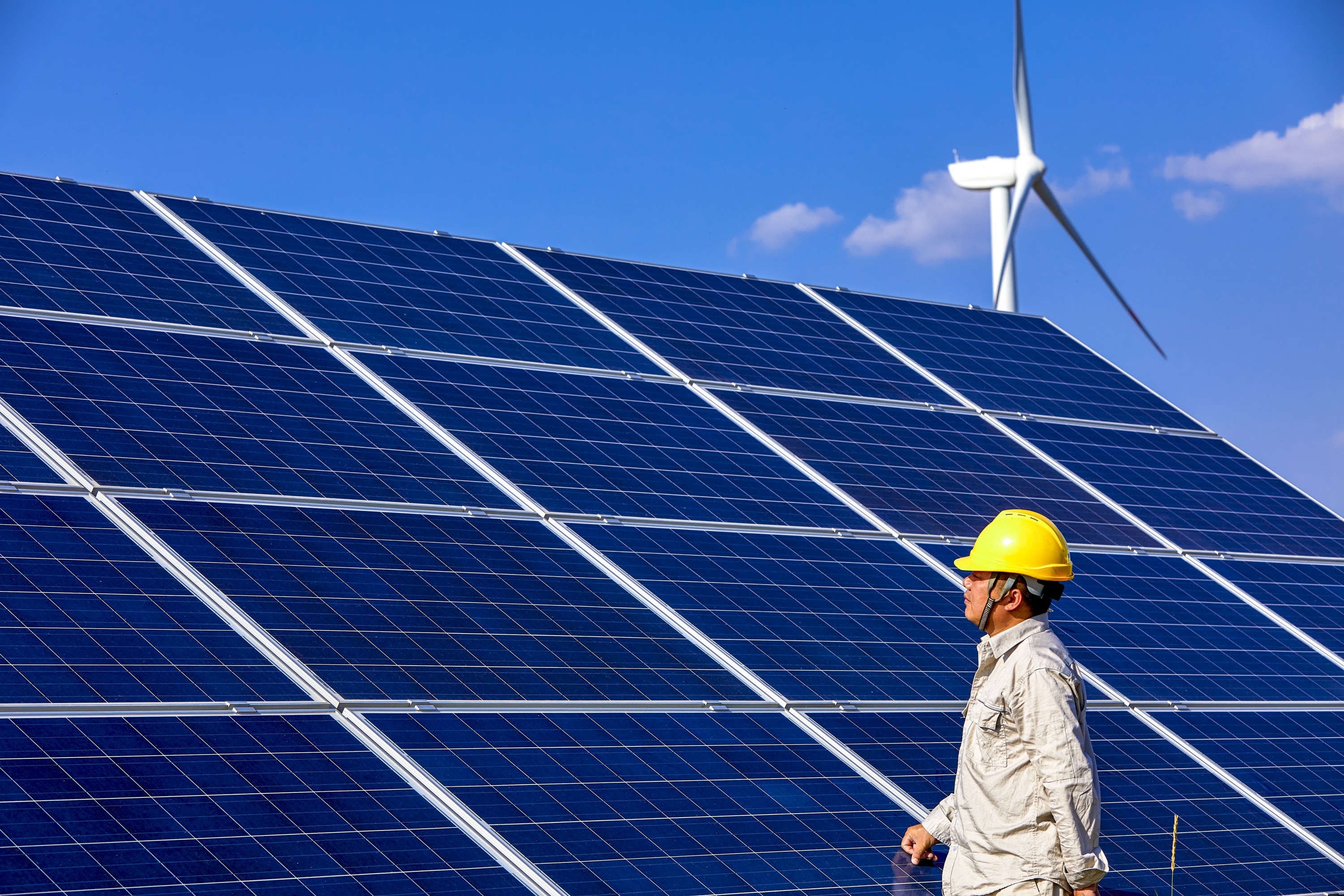
Solar energy continues to benefit from advancements in risk mitigation technologies, such as hail stow systems and innovative racking solutions. These developments are driving a broader range of premium rate reductions, particularly for assets located in natural catastrophe-prone regions. The market's willingness to compete for solar business remains strong, supported by improved claims ratios and enhanced forecasting capabilities.
BATTERY ENERGY STORAGE SYSTEMS (BESS)
The BESS sector has seen significant premium rate reductions in recent years, driven by improved technology performance and diminished fire risk. In H2 2026, this trend is expected to stabilise, with reductions aligning more closely with those observed in the wind and solar sectors. Enhanced monitoring and control systems, supported by AI and IoT technologies, continue to improve the risk profile of BESS, making it an increasingly attractive option for insurers and investors alike.
OFFSHORE WIND
Floating offshore wind technology is transitioning from demonstration projects to commercial-scale deployments. Insurers are cautiously optimistic, with project certification emerging as a key milestone for underwriting. The integration of in situ maintenance and tow-to-port provisions is critical to reducing insurance costs and demonstrating effective risk mitigation strategies.
REGIONAL DEVELOPMENTS
China remains a dominant force in the renewable energy sector, with its manufacturing capabilities and ambitious clean energy targets driving global market dynamics. The expansion of Chinese OEMs into international markets highlights the growing interconnectedness of the global renewable energy supply chain. However, geopolitical concerns and regulatory scrutiny may pose challenges to these initiatives.
CONCLUSION
The renewable energy insurance market in H2 2026 is characterised by stabilising premium rates, technological advancements, and a competitive landscape. As the sector continues to mature, insurers and clients alike must navigate the complexities of emerging technologies, regional dynamics, and evolving risk profiles to achieve sustainable growth.
Share:

Duncan Gordon
Head of Renewables | Natural Resources
Duncan joined Alesco at the beginning of 2018, after seven years specialising in construction and operational insurances within the offshore and onshore renewable energy sectors.
He has direct experience of project finance transactions and ensuring that all insurance conditions precedent to financial close are satisfied. The key elements of this service delivery are efficient communication and the ability to coordinate amongst both the international and local placement teams.
Duncan has wide-ranging experience of renewable energy projects throughout the lifecycle and is a skilled practitioner in providing insurance solutions for large and complex assets and portfolios globally. He currently provides guidance and insurance solutions to clients in North America, the Middle East, Europe, Latin America, Australia and the UK.